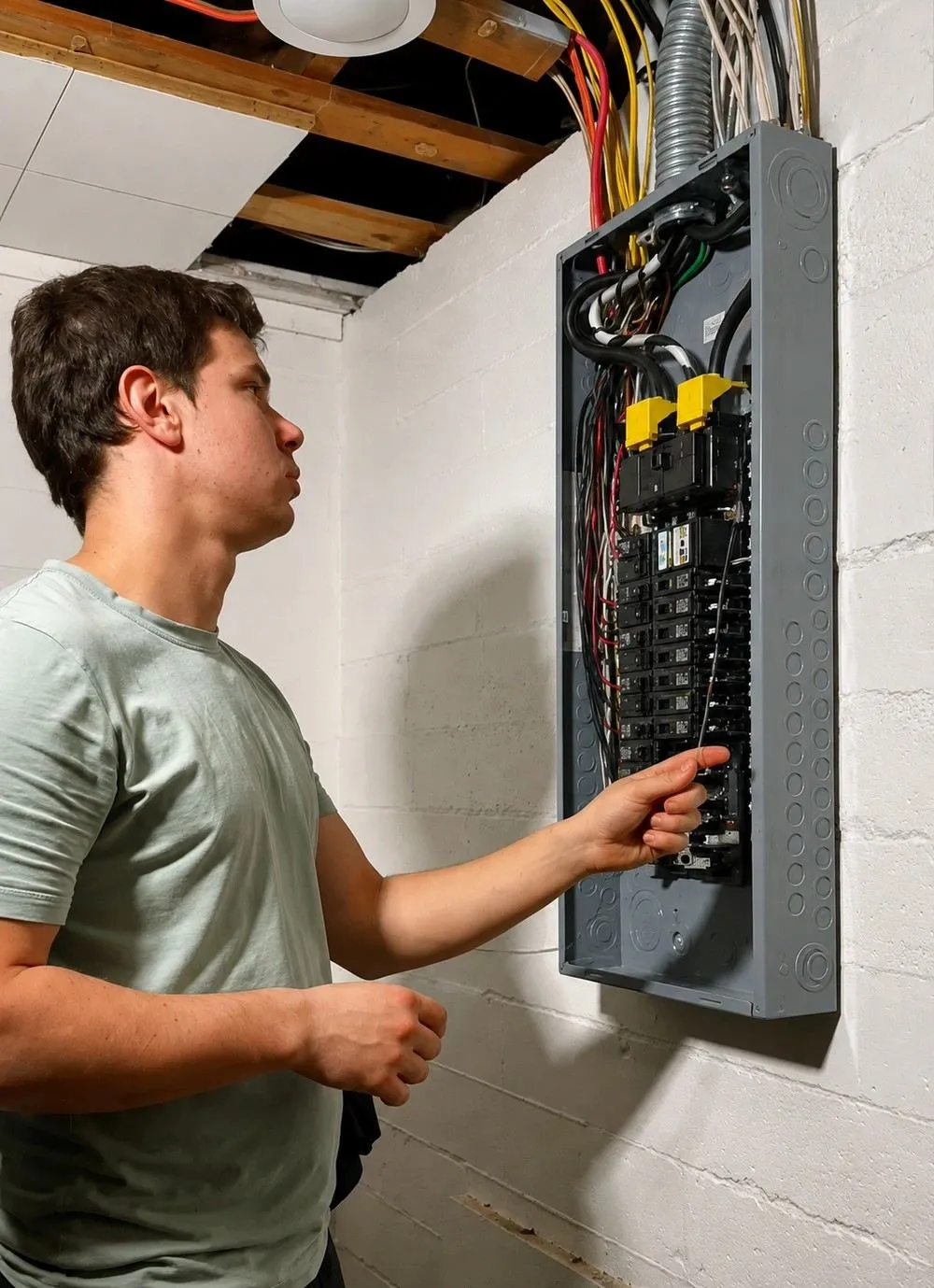
Need a licensed electrician to wire a water heater at your home or business in Seattle, Shoreline, Bothell, Lynnwood, Kirkland, Bellevue, Redmond, Sammamish, or Issaquah, Washington?
Give us a call or text at? (206) 914-3243 — use the form to set up your appointment.
CARROEL755C4
& insured
5.0 ★★★★★
North Seattle
Residential and commercial, small repairs to new construction — all of it priced up front and done to code.
Old fuse boxes and crowded panels replaced with clean, labelled service that handles what your house actually draws.
Knob-and-tube wiring removed and replaced with new circuits, so your home is safe, insurable and ready for modern loads. Everything is photographed before the drywall goes up.
House battery backup systems, installed and connected to your electrical panel so your power stays on when the grid goes down. Safe, efficient and future-ready.
Level 2 home charging on a dedicated 240V circuit. Sized for your car and your panel, permitted and inspected.
Tenant improvements, new builds, lighting and service work. After-hours scheduling so your floor keeps trading.
Electrical repairs to new construction, homes and businesses. Whatever your electrical issue is, our licensed team will sort it out safely.
Not sure which one you need? Describe what’s happening and we’ll tell you — no charge for the answer.
Water heaters are one of the larger electrical loads in a house, and the wiring behind them is where most installation problems actually live. A tank replacement at the same wattage can often land on the existing circuit, provided that circuit is sound and correctly sized. A conversion from gas to electric, an upgrade to a heat pump water heater, or a move to tankless is a different situation — those need circuits that often don’t exist yet, and sometimes more panel capacity than the house currently has.
Carroll Electric handles the electrical work water heaters depend on: dedicated circuits sized to the equipment, disconnects, panel evaluation and load calculations, and the wiring for conventional tanks, heat pump water heaters, and tankless systems. We’re a family business and a small, hands-on crew, which means the person who quotes your job is typically the same person on site doing it. You get a straight answer about what your panel supports before you buy equipment, not after it’s sitting in your garage.
Licensed, bonded, and insured · WA License #CARROEL755C4

Call or text us at (206) 914-3243 to talk through your project.
“I highly recommend Carroll Electric. Cameron quickly responded and scheduled the same day visit while all the other electric companies were not available at 6pm. He is very knowledgeable, and he explained the cause of the issue, then he fixed all with a short time.”
Shinobu Y. ★★★★★
Posted on GoogleTrustindex verifies that the original source of the review is Google. Great service and fast responses.Posted on GoogleTrustindex verifies that the original source of the review is Google. Carroll Electric did a great job! They were knowledgeable, efficient, hardworking, and nice to work with. I would definitely hire them again.Posted on GoogleTrustindex verifies that the original source of the review is Google. I was so impressed with Cameron and his work. He fitted me in ahead of schedule which was extremely helpful. He explained how he was going to go about the work. got on with it very quickly. He was very polite and delightful to work with and I am so grateful for his help. I recommend him highly.Posted on GoogleTrustindex verifies that the original source of the review is Google. He was skilled, efficient and worked clean. Would definitely hire again!Posted on GoogleTrustindex verifies that the original source of the review is Google. Great experience! They fixed a wiring issue fast and explained everything clearly. Honest pricing and quality work. Highly recommend!Posted on GoogleTrustindex verifies that the original source of the review is Google. Carroll Electric upgraded our panel and installed new lighting—super professional, on time, and everything works perfectly!Posted on GoogleTrustindex verifies that the original source of the review is Google. The best electrical contractor ive ever worked with. Very quick to understand our needs and perform the service work easily!Posted on GoogleTrustindex verifies that the original source of the review is Google. Super fast response. Would use them again!.Posted on GoogleTrustindex verifies that the original source of the review is Google. Professional, quick response, reasonable price.Posted on GoogleTrustindex verifies that the original source of the review is Google. Awesome local business with outstanding customer service. I recently experienced a power outage during the recent Seattle heat wave, and Carroll Electric was the only company I contacted that prioritized my situation and had a technician at my home within the hour. Truly impressive responsiveness and professionalism. Highly recommend!Verified by TrustindexTrustindex verified badge is the Universal Symbol of Trust. Only the greatest companies can get the verified badge who has a review score above 4.5, based on customer reviews over the past 12 months. Read more
Carroll Electric was built around a simple belief: customers deserve honest communication, quality workmanship, and an electrician they can trust. As a family-owned company with a young, passionate team, we’re committed to making every project straightforward — from the first phone call to the final walkthrough.
We don’t believe in confusing estimates or unnecessary upselling. We believe in showing up when we say we will, keeping our work clean, and doing every installation the right way.
“We’d rather lose a job to an honest number than win one with a vague one.”
Tyler Carroll — Manager & Founding Member
Whether it’s a panel upgrade, remodel rewire, EV charger installation, commercial project, or troubleshooting a difficult issue, every job receives the same attention to detail, craftsmanship, and respect.
We’re proud to be a local family business serving our community with transparency, professionalism, and electrical work built to last.

Family
Owned
4
On the crew
Licensed
Bonded & insured
5.0★
Google rating
Cameron Carroll
Owner / Electrician
Started at eighteen with no experience; now runs the company.
Cameron walked into this trade at eighteen knowing nothing about electrical or construction work, and spent the next decade learning every part of it. Five years of residential work came first — service calls, service wire installs, remodels, new construction, equipment installations — until he was running his own jobs with an apprentice. Then three and a half years on the commercial side at Pacific One Electric, where he split his time between managing teams of residential wiremen and completing specialty 01 commercial systems: the gear, the electrical room and vault, and the elevator and HVAC systems in large multifamily buildings.
That span is the reason he can look at a project and tell you what it actually needs. Commercial work teaches you to coordinate with builders and engineers and to hold a schedule. Residential work teaches you that you’re in someone’s home. Cameron is the one who assesses your property, runs the load calculation, and writes the estimate — and in most cases he’s also the one on site doing the work.
Black Sheep Electric — residential electrician, December 2015 – March 2020
Pacific One Electric — commercial electrician, March 2020 – September 2023
Zoomers Electric — his own electrical contracting LLC, April 2023 – January 2025
Carroll Electric — January 2025 – present
Tyler Carroll
Manager / Founding Member · Cameron’s brother · 6 years experience
Learned the trade beside his brother at the same company.
Tyler started at nineteen, three years behind Cameron and at the same shop, learning from his brother and from every senior electrician in the company. It didn’t take long before he was running his own jobs and teaching his own techniques to the newer electricians coming up behind him.
Three and a half years at Dad’s Electric took him through every aspect of residential electrical, where he built a reputation for work that’s reliable, efficient, and clean — on small repairs and full renovations alike. Because he and Cameron came up through the same training, they work to the same standards without having to discuss it, which shows up in how smoothly a two-person job goes.
Black Sheep Electric — residential apprentice, December 2018 – March 2021
Dad’s Electric — residential electrician, March 2021 – September 2024
Carroll Electric — lead electrician, January 2025 – present
Slater Bradley
Electrician · Founding member
Came up through commercial work; joined as a founding member.
Slater spent nearly four years as a commercial apprentice at J&S Electric — his first career in the trade, and the one that taught him the organizational habits and tool discipline that commercial jobsites demand. That foundation is what lets him step into any area of the electrical field.
He joined Carroll Electric as a founding member in January 2025, and he describes the difference plainly: he feels like part of the team rather than just another worker. He’s here to become a complete, all-around electrician and to grow with the company — which, from a customer’s side, means someone on your job who’s invested in how it turns out.
J&S Electric — commercial apprentice, March 2021 – January 2025
Carroll Electric — January 2025 – present
Issac Heisler
Electrician
Between the four of us, the background covers both sides of the trade — residential service, remodels and new construction on one side, commercial systems and multifamily buildings on the other. That’s why a service call and a tenant buildout get the same crew, and why the person who quoted your job is the one who shows up to do it.
Most people find out partway through, when the plumber or the installer says the electrical won’t support what’s being installed. Knowing the common triggers ahead of time makes the project easier to plan.
Electrical work is almost always part of the job when you’re converting from a gas water heater to electric, installing a heat pump water heater, or switching to tankless — all three either need a circuit that doesn’t exist yet or need a larger one than what’s there. It also comes up when you’re replacing a tank with a larger or higher-wattage unit, when the breaker trips while the water heater is running, when the existing wiring is older than the equipment it’s feeding, or when there’s no disconnect at the unit.
A straight tank-for-tank replacement at the same wattage is the one case that often needs no electrical work at all — as long as the existing circuit is sound, correctly sized, and has a disconnect. That’s worth verifying rather than assuming, because undersized circuits and missing disconnects are common on older installations. When everything checks out, we’ll tell you so rather than finding work to do.

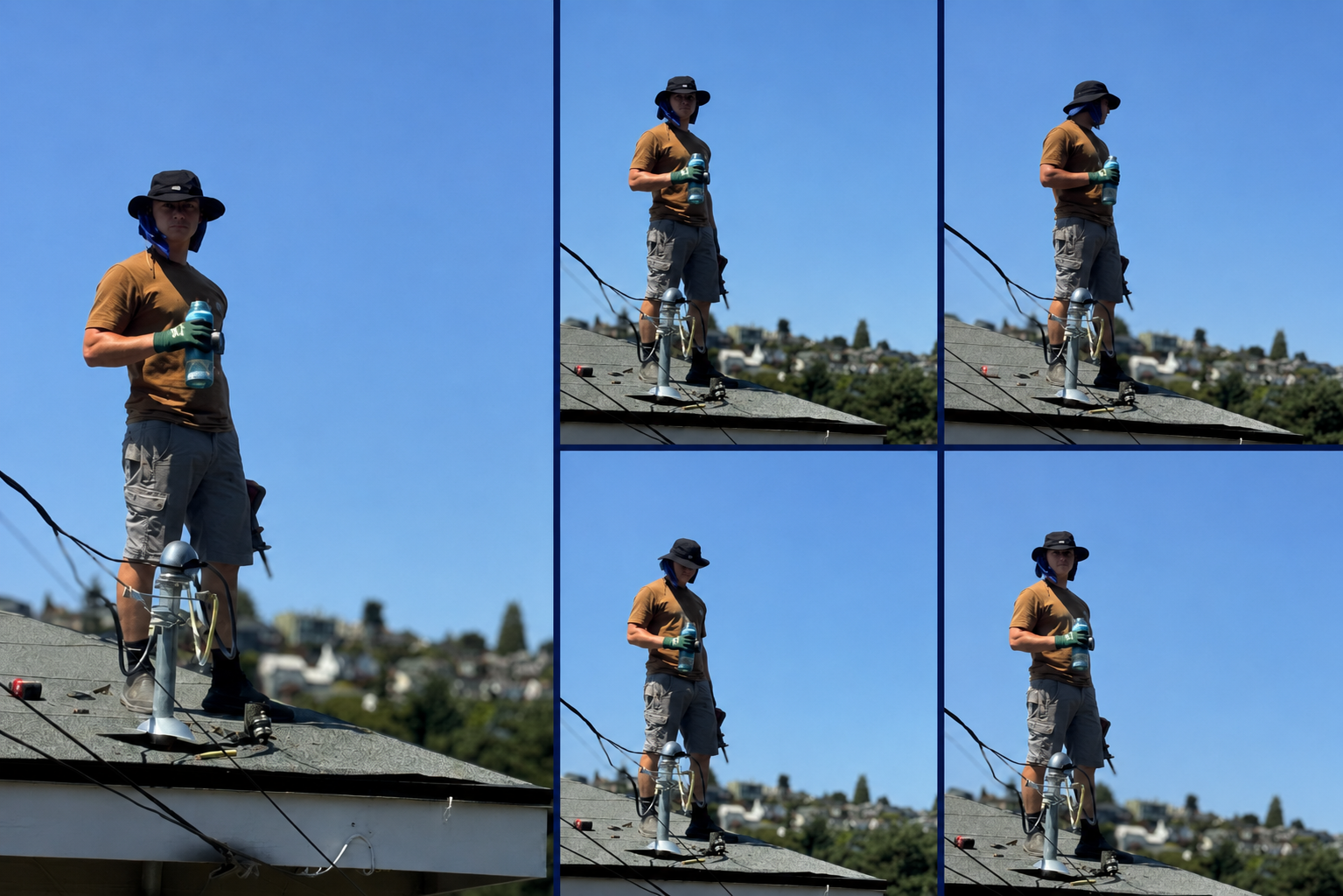
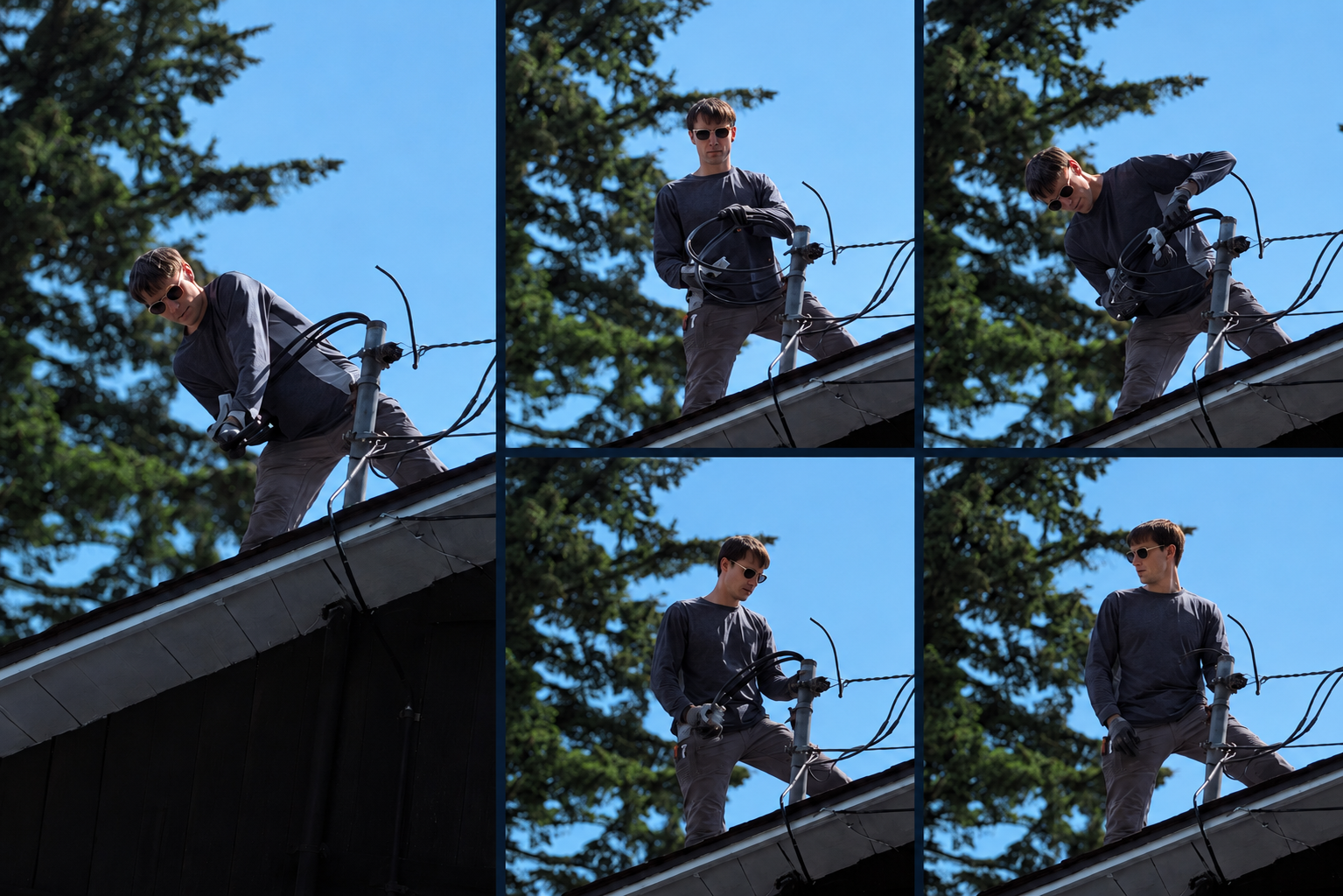
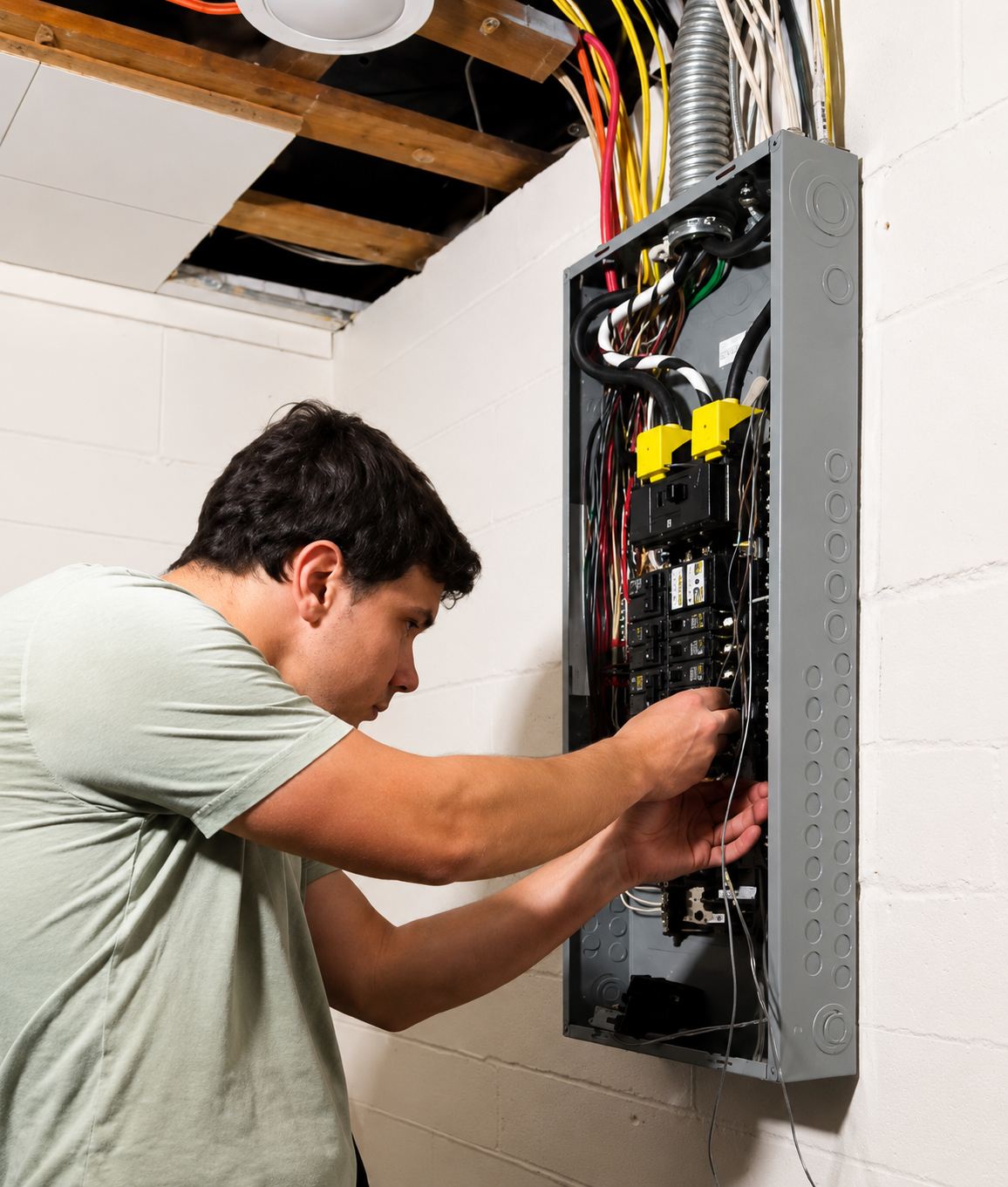
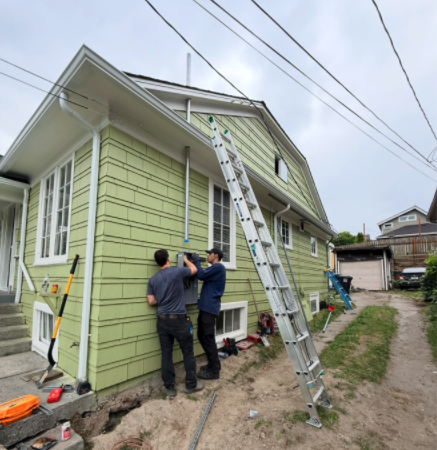
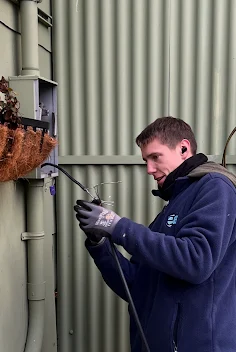
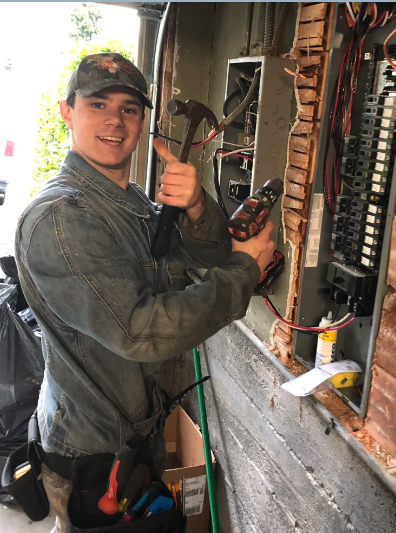
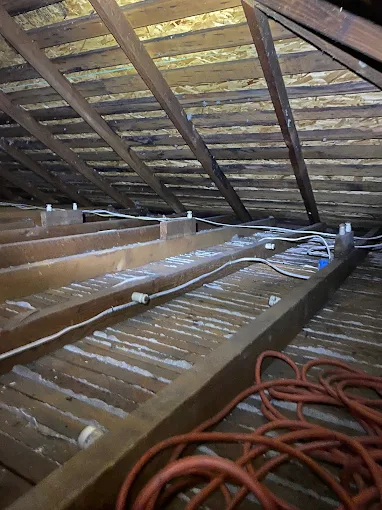
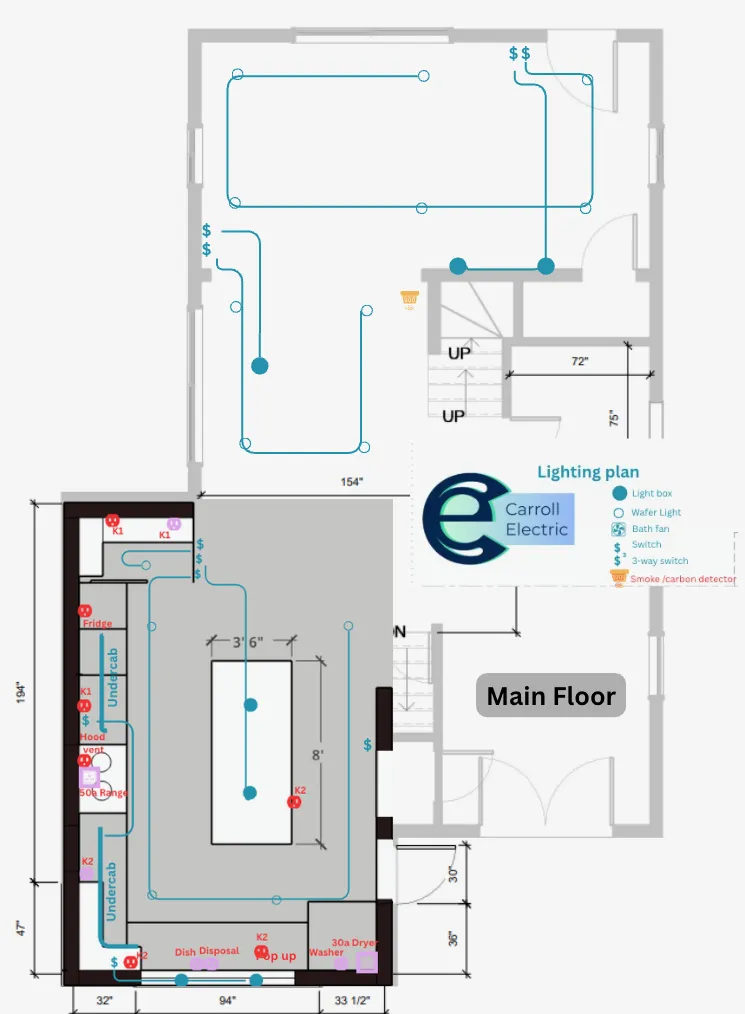
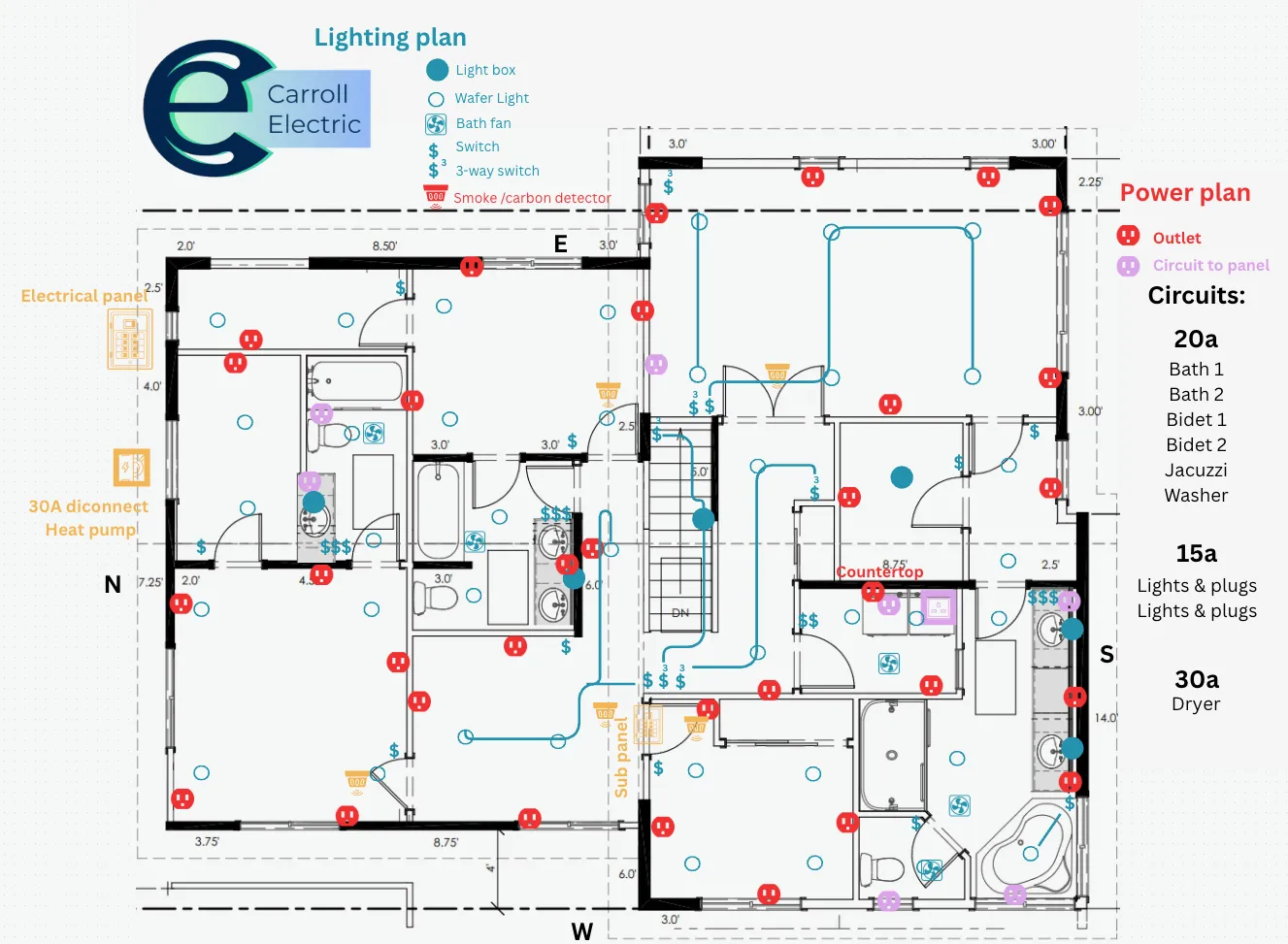
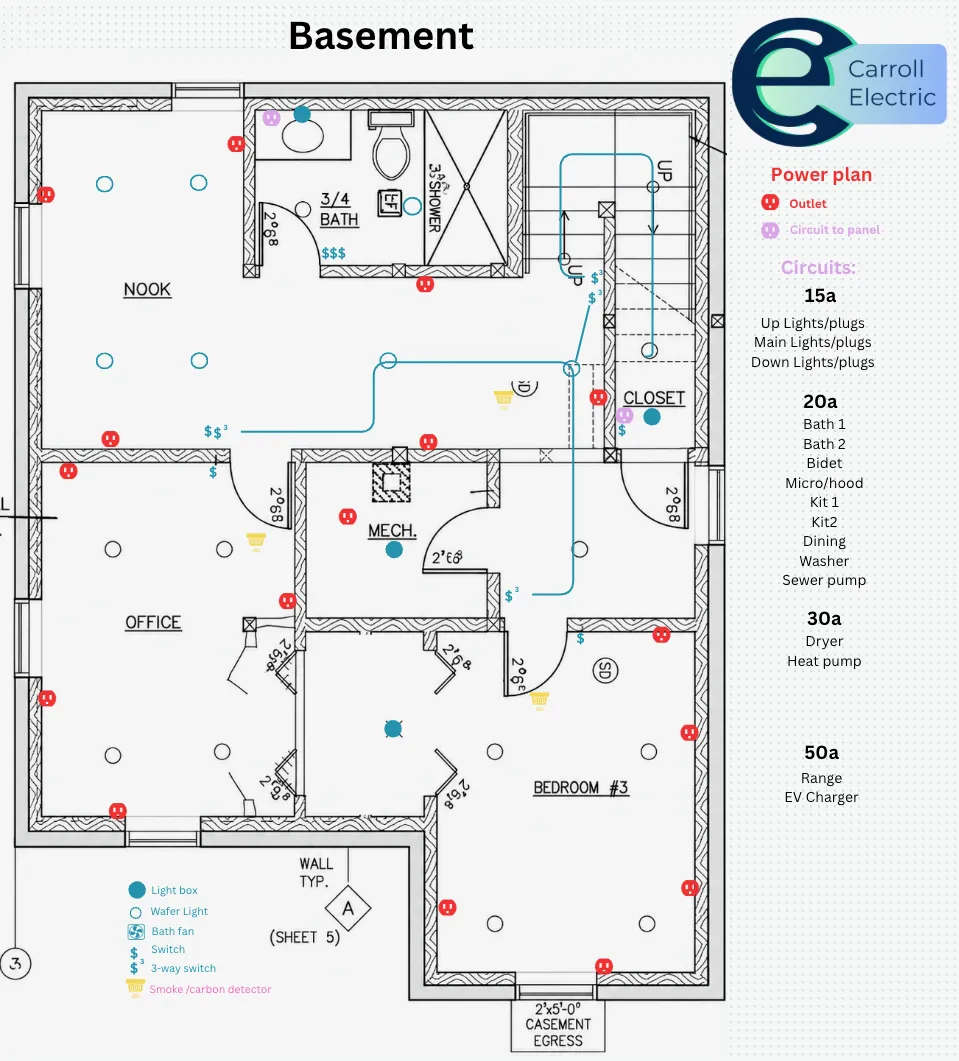
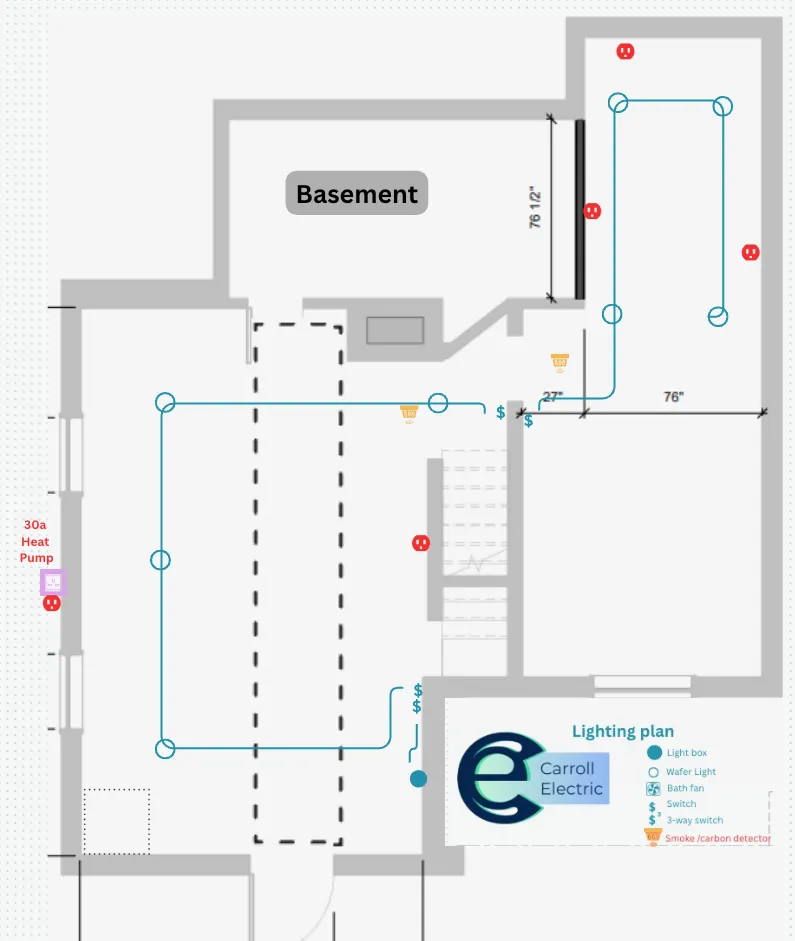
Photography is one of Carroll Electric’s strongest branding assets. We showcase our real electricians, real homes, real commercial projects, and the quality craftsmanship behind every installation.

The same questions come up on nearly every water heater job. Here’s how we answer them.
Can my panel handle an electric water heater? It depends on your service size and how much is already committed. A standard electric tank is a substantial load, and a heat pump or tankless unit changes the math further. We run a load calculation rather than estimating.
I’m switching from gas to electric. What does that involve? A new dedicated 240-volt circuit from the panel to the water heater location, a disconnect, and panel space for the breaker. If the panel is full or the service is undersized, that becomes part of the conversation.
Why does tankless need so much power? Because it heats water on demand rather than storing it. Whole-home electric tankless units draw far more than a tank does and frequently need multiple circuits, which is why a tankless project often turns into a service upgrade.
Do I need a disconnect? In most installations, yes. Code requires a means of disconnecting the water heater within sight of it, or a lockable breaker.
What will it cost? You receive an itemized written estimate after an on-site assessment, with labor and materials broken out separately, so you can see how the number was reached.

Same crew, same rates, same paperwork. What changes is how we schedule around you and who we send the invoice to.
Panel upgrades, EV chargers, dead outlets, breakers that keep tripping. You get a written number before anything starts, and a call before we spend more than it.
Rough-in and trim on the date we gave you. Inspections cleared without you chasing them, and a phone call the moment anything looks like it might slip.
Tenant calls handled the same day. Certificate of insurance on file, one invoice format across every unit you run, and photos of the work sent through each time.
Tenant improvements, new builds, lighting and service work. After-hours and weekend scheduling so your floor keeps trading while we’re in there.
Kitchens, additions, whole-house rewires. Clean installs, labelled circuits, and everything behind the drywall photographed before it’s closed up.
The people who just call us when something goes wrong. We keep a record of what we’ve done at your property, so we’re not starting from scratch every visit.
We’d rather be the electrician you call for the next ten years than the one who won a single job on price. If you manage more than one property, ask about an account.
Every project follows the same process, from first contact through follow-up.
It starts with an on-site assessment. We look at the water heater location, your panel and available capacity, the run length from the panel to the unit, the condition of any existing circuit, and the nameplate requirements of the equipment you’re installing. We run a load calculation rather than estimating, because whether your service supports the unit is the question the whole project turns on. From that assessment you receive a written, itemized estimate separating labor and materials, before you approve anything.
Once the work is scheduled, we arrive when we said we would. We install a properly sized dedicated circuit, mount and connect the disconnect where code requires it, land and label everything cleanly at the panel, and coordinate with your plumber or installer so the electrical is ready when they need it rather than the other way around.
We handle permitting and inspection as part of the project. Every job closes with a walkthrough confirming the unit is safely powered, documentation of the completed work, and an invoice that matches the estimate.

“My wife and I are very impressed with the service from Carroll Electric. I can honestly say they are hands down the best electric company I have ever worked with. We have called them for various projects in the past and will continue to use them for anything needed in the future.”
Brandon V. ★★★★★
Carroll Electric exists to provide high-quality electrical work while creating a customer experience built on transparency, communication, reliability, and craftsmanship. These principles guide every decision, from the first phone call to the final walkthrough.
01
Our rates are published on this website. You approve a written number before any work begins, and permits and parts are passed through at cost with the receipt attached.
02
Calls and messages answered the same working day. If we find something unexpected behind the wall, you get a phone call before we spend another dollar of your money.
03
We hold the date we gave you. Licensed, bonded and insured, permits pulled where they’re required, and we meet the inspector ourselves rather than leaving it to you.
04
Labelled circuits, dressed conductors, and a panel directory you can read at 6am. We photograph what goes behind the drywall so there’s a record long after we’ve gone.
We photograph every job as we go — partly so you have a record of what’s in your walls, partly because clean work is worth showing.
Old
New
Old
New
Every job gets photographed as we go. If you want to see work like yours before you commit, ask and we’ll send you the closest match we’ve done nearby.
Electric water heaters require their own dedicated circuit. They draw a significant, sustained load, and sharing a circuit with other loads causes repeated breaker trips and puts conductors under more current than they were sized to carry.
Because a water heater runs continuously once it starts, code requires the circuit to be sized above the equipment’s rated draw rather than exactly to it. That’s why a unit drawing a given amperage lands on a larger breaker than people expect — the margin is deliberate, not padding, and getting it wrong is one of the more common things we find on existing installations.
Code also requires a disconnecting means. This lets a plumber or technician cut power at the unit before servicing it without relying on someone else leaving the breaker alone. It’s either a disconnect within sight of the water heater or a breaker that can be locked in the off position, and it’s frequently missing on older installations.
We size every circuit to the equipment’s actual nameplate rating, install disconnects rated for the load and the location, and label the panel clearly so the next person servicing the unit isn’t guessing.

Converting from a gas water heater to electric has become common, driven by electrification incentives, gas appliance restrictions in new construction, and homeowners replacing aging equipment.
Electrically, it’s a new installation rather than a modification. There’s no existing circuit at the water heater location, which means running a new dedicated 240-volt circuit from the panel to the unit, adding a disconnect, and finding panel space for the breaker. The run is often longer than people expect, because gas water heaters frequently sit in locations chosen for venting rather than for proximity to the panel.
Panel capacity is the part worth checking first. Adding a water heater to a home that already runs electric heat, a range, a dryer, or an EV charger can push the service past what it supports, particularly on older homes still at 100 amps. That’s a question better answered before equipment is ordered, and we’ll answer it at the assessment rather than mid-installation.

Any licensed electrician can land the job to code. What people remember is everything around it — whether you called back, showed up when you said, and left the place clean.
01
Rates are on this website. You approve a written number before we start.
02
Calls and messages answered same day. You always know who is coming and when.
03
An owner is on site or a phone call away on every project. No account manager in between.
04
Real photos of your job, not stock images of someone else’s. You see what went in.
05
Itemised quotes, permits filed, inspections logged, invoices you can actually read.
06
Labelled circuits, dressed conductors, a directory you can actually read at 6am.
07
Thermal imaging and circuit tracing find the fault instead of guessing at the drywall.
08
Marked van, branded shirts, and the same crew each visit. No mystery truck in the drive.
09
If a repair will hold another five years, we’ll tell you that instead of selling a rewire.
Heat pump water heaters have become a common choice in the Puget Sound area, and they’re frequently the smarter electrical decision as well as the more efficient one.
They use substantially less electricity than a conventional electric tank, which matters when panel capacity is tight — a home that can’t support a standard electric water heater can sometimes support a heat pump model without any service work at all. Many units also offer a 120-volt plug-in configuration, which avoids a new 240-volt circuit entirely in the right situation.
They do come with placement considerations. A heat pump water heater pulls heat from the surrounding air, so it needs adequate space and air volume around it and performs poorly in a small sealed closet. It also produces cool air and condensate, which affects where it makes sense to put one. Those constraints matter electrically as well, because where the unit ends up determines how far the circuit has to run.
We’ll tell you what your panel supports and what the circuit would cost for each option, so the efficiency decision and the electrical decision get made together.

Electric tankless water heaters are where electrical capacity most often becomes the deciding factor, and it’s worth understanding before you commit to one.
A tank heats water gradually and stores it. A tankless unit heats it instantly as it flows, which requires an enormous amount of power in short bursts. Whole-home electric tankless units commonly require multiple dedicated circuits and a service size many older homes simply don’t have. It’s not unusual for the electrical work to cost more than the unit, and a service upgrade is frequently part of what the installation requires.
Point-of-use tankless units — a small unit serving a single sink or bathroom — are a different matter and are often straightforward, needing one appropriately sized circuit.
Gas tankless units need electrical too, though much less: typically a standard 120-volt receptacle for the control board, igniter, and venting fan. It’s a small requirement that gets overlooked surprisingly often, and discovering there’s no outlet near the unit on installation day is a frustrating way to find out.
We’ll run the numbers on what a tankless installation would actually require at your property, including whether a service upgrade is part of it, before you order anything.

Every water heater conversation eventually comes back to the panel, and this is where projects either proceed smoothly or stop.
We run a load calculation that accounts for your existing loads plus what the new equipment adds. Water heaters are a continuous load, which means code requires them to be counted at a higher figure than their nameplate rating — a detail that catches people who have done their own arithmetic and concluded they had room.
If your panel has available capacity, we install the circuit and that’s the end of it. If the panel is full but the service is adequate, a subpanel may resolve it. If the service itself is undersized — still common in older homes across north Seattle, Shoreline, and Lynnwood running 100 amps — we’ll tell you at the assessment rather than partway through.
There are often options short of a full service upgrade. A heat pump water heater instead of a conventional electric tank is the most common one, and it frequently resolves the capacity problem outright. We’ll lay out what each path costs rather than defaulting to the largest project.
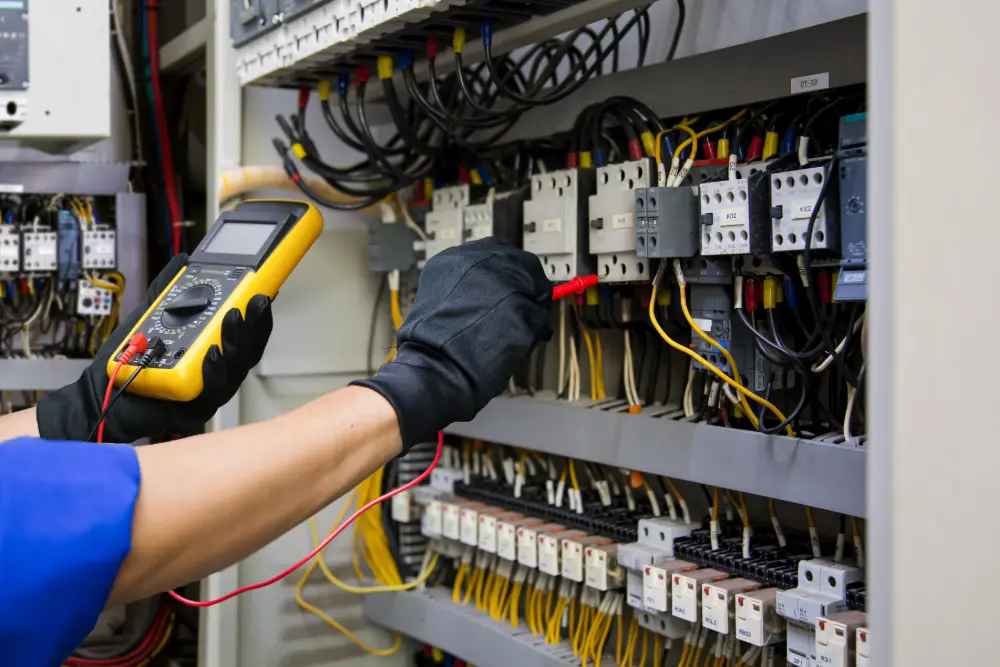
Carroll Electric also handles water heater electrical for commercial spaces, rental properties, and multi-unit buildings across Seattle, the north end, and the Eastside. Commercial water heating usually means larger equipment, sometimes three-phase, and often multiple units on a shared service — which makes capacity planning the first question rather than an afterthought.
Timing matters differently here too. A restaurant, salon, gym, or apartment building without hot water is a problem that escalates quickly, so replacements tend to be scheduled tightly around occupancy and operating hours.
Property managers and commercial clients receive the same process as every other client: an on-site assessment, an itemized written estimate before work begins, and code-compliant installations with permit and inspection records for your files. For owners managing several properties, we’re set up to be a consistent long-term partner rather than a one-time vendor.

Published, not quoted on the doorstep. Builders and repeat clients pay less because the work is easier to plan — you’ll see exactly which rate applies to you before we start.
Residential
Builder / Contractor
$100/hr
Repeat Client
$110/hr
First Time
$125/hr
Emergency
$125–$250/hr
Commercial
Builder / Contractor
$125/hr
Repeat Client
$150/hr
First Time
$175/hr
Emergency
$150–$300/hr
Trip Fee One low trip fee. No surprises.
Within 10 miles
$50
Within 20 miles
$75
20+ miles
$100+
We’d rather explain pricing than have you ask for it. Water heater wiring costs come down to a few specific variables: whether a circuit already exists or has to be run, the distance from your panel to the water heater location, what the run passes through, the type and draw of the equipment, whether a disconnect needs to be added, and whether panel or service work is required.
Your estimate breaks those out in plain terms, with labor and materials listed separately, so you can see how the number was reached. When panel or service work is part of the conversation, it’s priced as its own line rather than folded in. Nothing appears on the final invoice that wasn’t in the estimate.
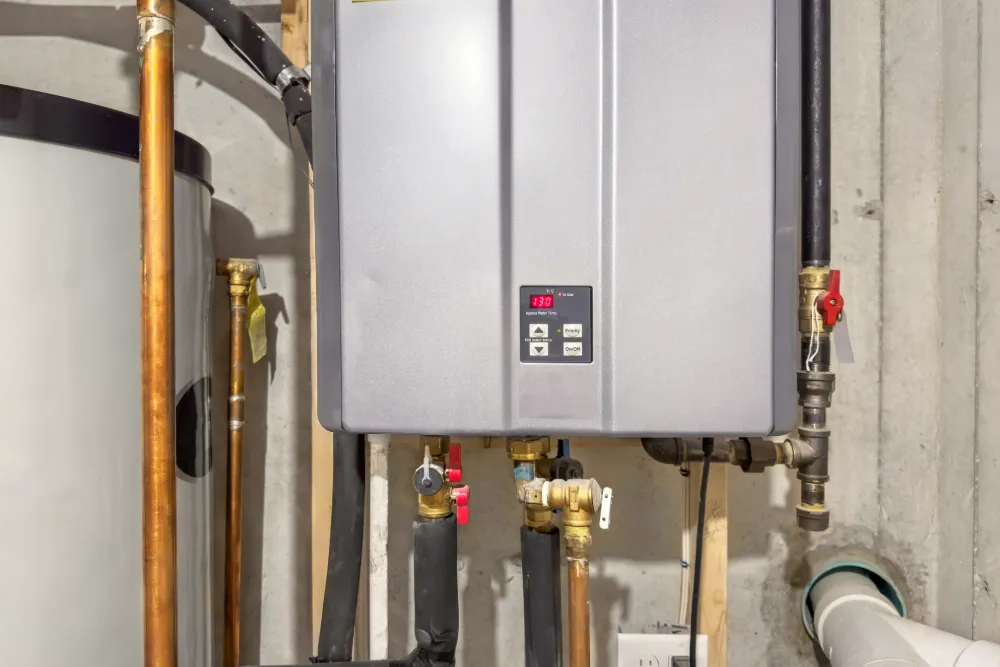
A low number is easy to say. These are the commitments that come attached to it, on every service upgrade and panel swap we do.
Your power is out for a maximum of six hours on the day of the swap. We plan the shutdown around your schedule.
We meet the inspector ourselves and clear the permit within five business days of finishing.
Any additional install or relocation the upgrade makes necessary is done free of charge. Not billed as a change order.
Bring us a written quote and we will meet it at minimum. In most cases we come in 25 to 50 percent lower.
Bonus
A free small install or troubleshoot with every upgrade.
A new light fixture, dimmers, outlets, or a fault you have been meaning to chase down — while we are already on site.
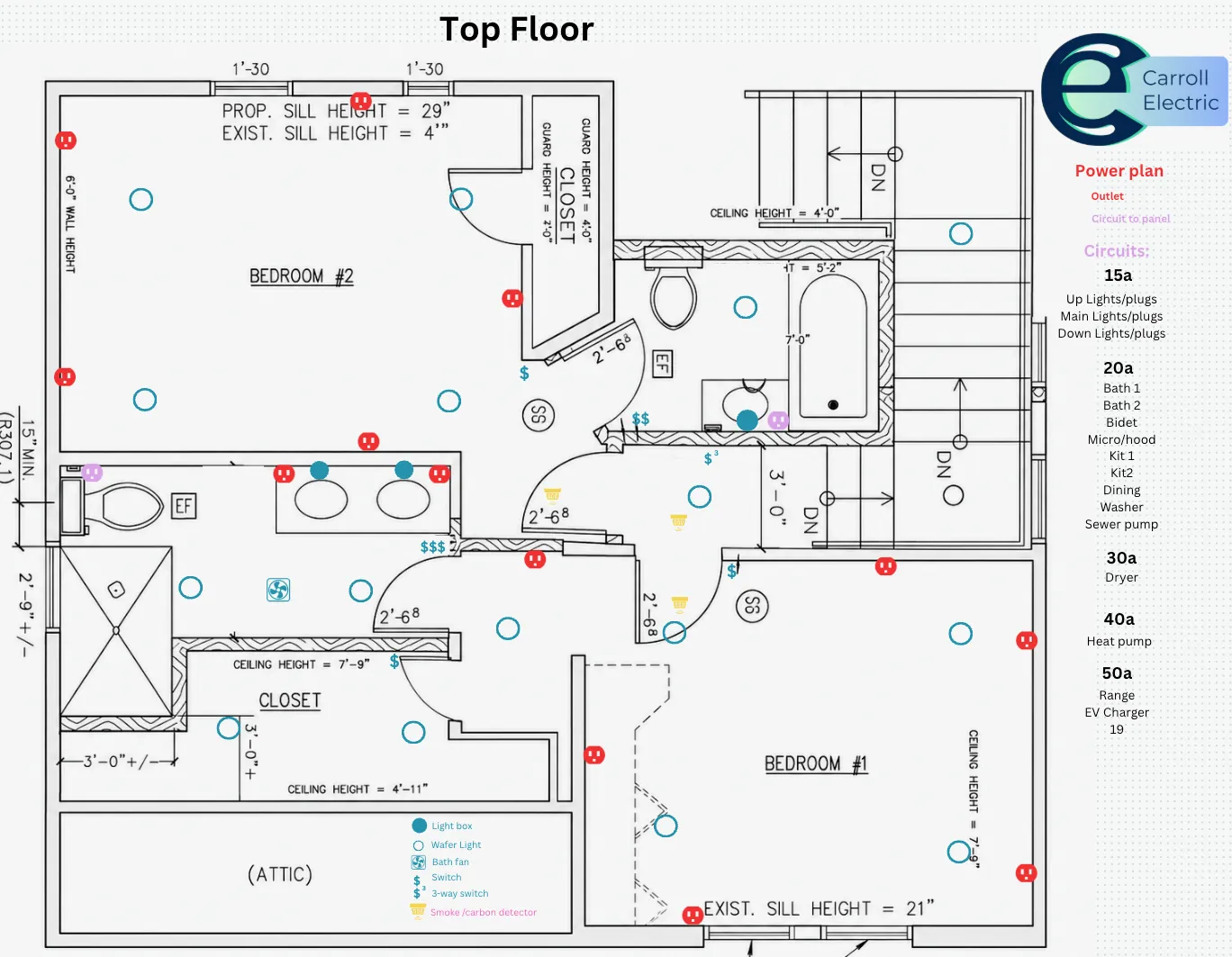
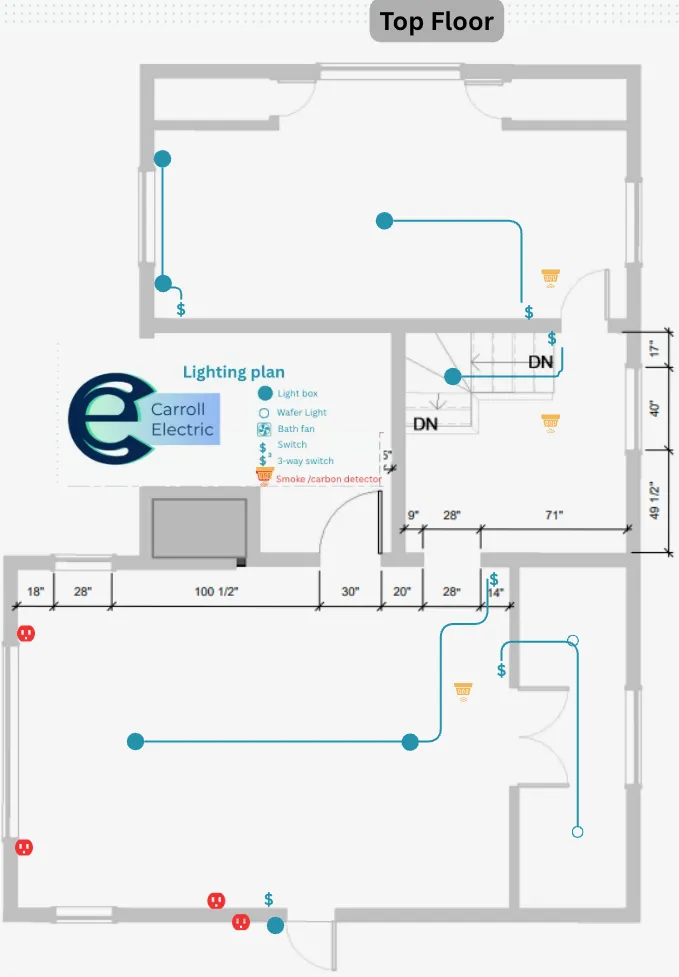
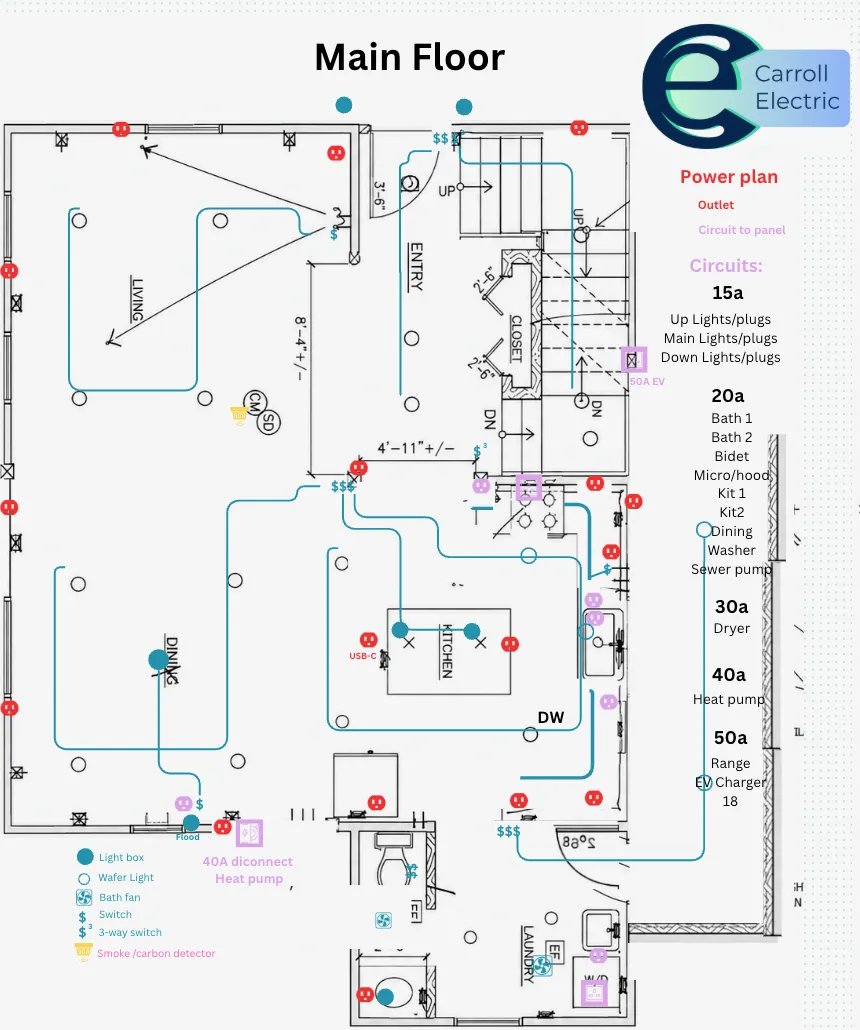
Most electricians won’t give you a number until someone is standing in your space, and there’s a reason for that — an honest price depends on what’s actually there. But that’s not much help when you’re trying to budget. So here are real quotes from recent work instead.
Look at what’s in them. Every item listed individually, so if you add something, remove something, or change your mind, the number moves by a specific amount instead of becoming a conversation. And where existing circuits are safe and serviceable, they’re listed by name — the work we’re not charging you to redo, written down where you can check it.
That’s what a calculated price looks like. Nothing padded to cover a worst case, nothing priced low to get in the door. When you can see how a number was built, you can tell whether it’s fair.
(quotes)
Your project will differ, and the assessment is what produces an accurate number — but this is how we build one.
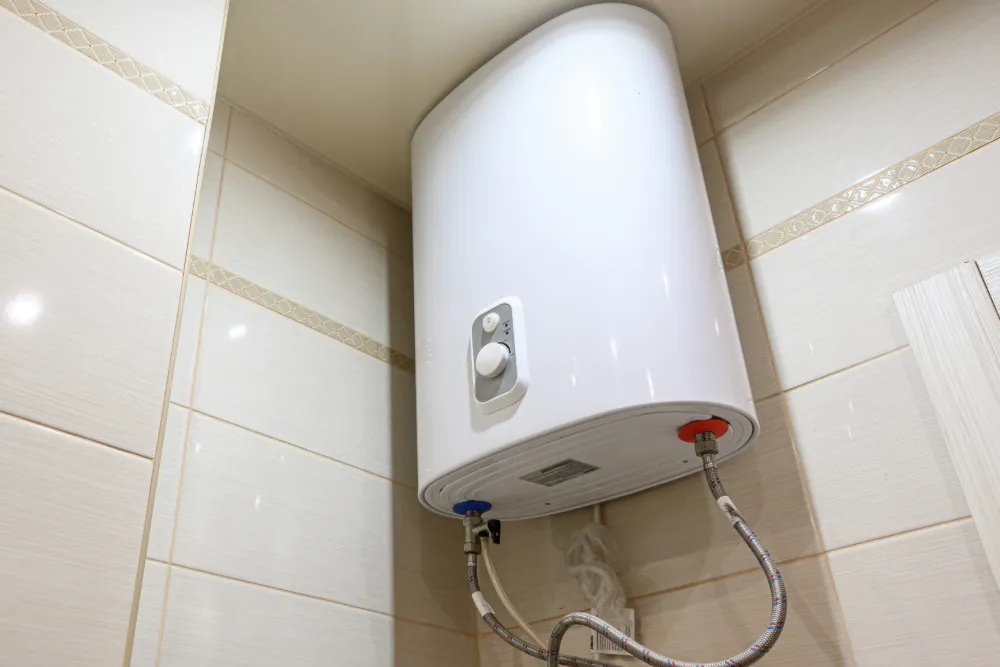
Washington requires a permit and an inspection for essentially all new and altered electrical work, and a new circuit for a water heater falls squarely within that. Which office issues the permit depends on where the property is. Seattle runs its own electrical permitting and inspection program through the Department of Construction and Inspections, and the work is held to the Seattle Electrical Code — the city’s own amended edition of the National Electrical Code. Outside cities that operate their own programs, permitting and inspection are handled by the Washington State Department of Labor & Industries. We work in both systems regularly and pull the permit from whichever authority governs your address.
Handling the permit isn’t a convenience we offer — it’s the law. When you hire an electrical contractor in Washington, that contractor is required to purchase the permit for the work they perform on your property.
Worth knowing: Seattle’s electrical code exempts a short list of minor replacements from permitting, and water heaters appear on it — so a straight like-for-like swap on an existing, sound circuit may not require an electrical permit, even though the plumbing side may require its own. Running a new circuit, upgrading the equipment, or converting from gas does require one. We’ll tell you which category your project falls into before you’re charged for anything.
Carroll Electric is a licensed, bonded, and insured electrical contractor in Washington State, license:
Carroll Electric LLC – 01 Electrical Contractor: CARROEL755C4
Cameron Carroll – 01 Journeyman Electrician: CARROCJ772B8
Cameron Carroll – 01 Electrical Administrator: CARROCJ777CM
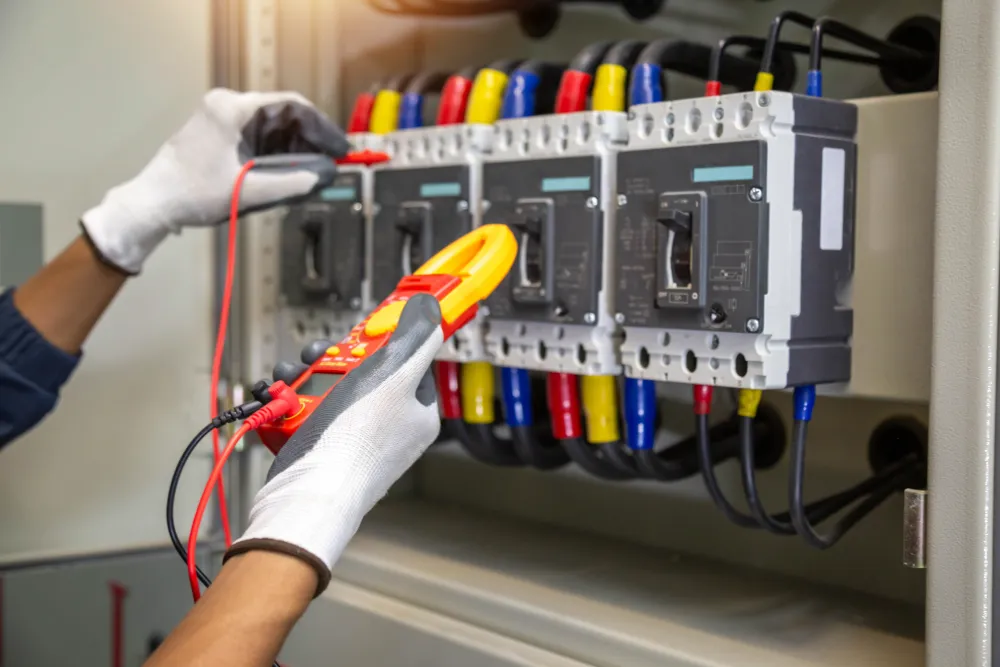
Call or text us at (206) 914-3243 to talk through your electrical service.
Homeowners converting from a gas water heater to electric. Anyone installing a heat pump water heater or moving to tankless. Homeowners replacing a tank with a larger or higher-draw unit. Anyone whose breaker trips while the water heater runs. Builders and general contractors roughing in circuits on new construction. Remodel clients relocating a water heater. Plumbers who need a reliable electrical partner on conversions and upgrades. Property managers and commercial owners replacing aging equipment. And anyone who bought a water heater and then found out the panel can’t support it.
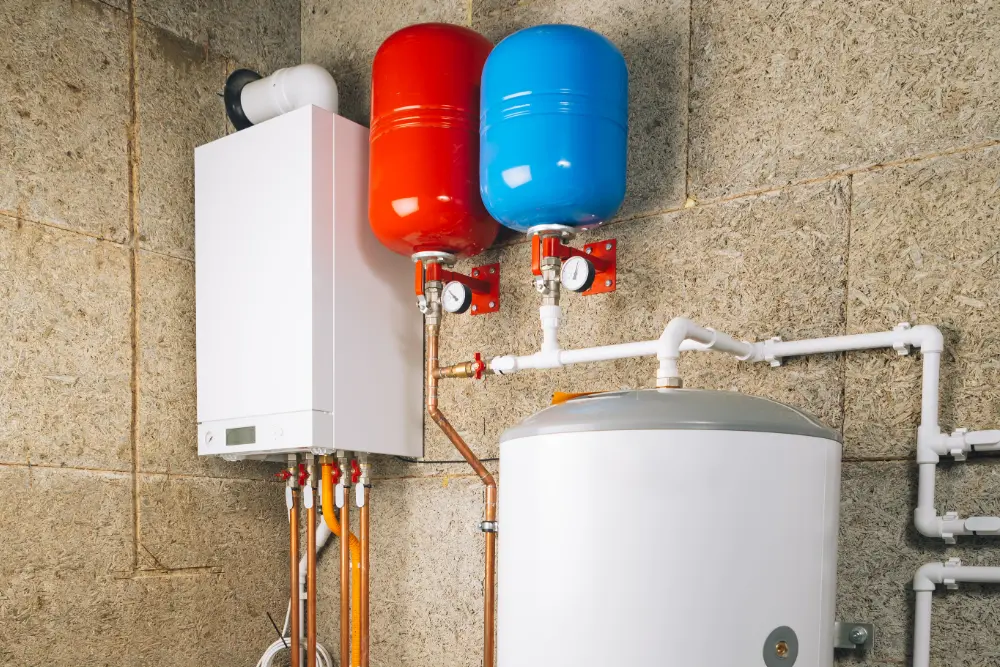
Carroll Electric is a licensed, bonded, and insured electrical contractor serving Seattle, the north end, and the Eastside. We’re a small, hands-on family crew, and the person who quotes your job is typically the person on site doing the work. You receive an itemized estimate before anything begins, we tell you what your panel supports before you buy equipment rather than after, we coordinate with your plumber so nobody’s waiting, we install to code the first time, and we label the panel so the next person isn’t guessing. Our focus is on giving you the information to make a confident decision — not on selling you more than you need.

Call or text us at (206) 914-3243 to talk through your electrical service.
“Highly recommend Carroll Electric! Cameron provided outstanding service from start to finish. His pricing was incredibly reasonable, and he managed the entire project seamlessly — including coordinating directly with the inspector to ensure everything went smoothly. The work was completed exactly on time, and the quality is top-notch.”
Niket A. ★★★★★
And surrounding areas throughout King and south Snohomish Counties.
Whether it’s a failed meter base or a full electrical service upgrade with utility coordination, Carroll Electric has the licensing and experience to complete the work correctly. Contact us to schedule an assessment.
Our Service Area
King County:
Seattle (98115, 98082, 98125, 98165, 98105, 98175, 98195, 98112, 98103, 98113, 98122, 98109, 98117, 98127, 98139, 98141, 98194, 98107, 98101, 98119, 98111, 98170, 98181, 98185, 98190, 98191, 98164, 98161, 98154, 98104, 98121, 98174, 98160, 98199, 98134, 98118, 98108, 98116, 98106, 98126, 98136, 98178, 98168, 98131, 98199, 98141, 98181, 98170, 98145, 98138, 98129, 98124
Bellevue (98004, 98005, 98009, 98015, 98007, 98008, 98006), Bothell (98034, 98011, 98041, 98021, 98012), Mercer Island (98040, 98118), Newcastle (98056, 98059), Issaquah (98029, 98027, 98075), Kenmore (98028, 98125, 98155), Kirkland (98034, 98033, 98133, 98102, 98114, 98124, 98129, 98138, 98145, 98144, 98083), Lake Forest Park (98155), Medina (98039, 98039), Redmond (98052, 98073, 98053, 98008, 98033), Renton (98056, 98059, 98055, 98057, 98058, 98178), Richmond Beach (98177), Sammamish (98074, 98075, 98008, 98029), Shoreline (98155, 98133, 98177, 98160), Woodinville (98072, 98077)
Snohomish County:
Bothell (98034, 98011, 98041, 98021, 98012), Edmonds (98020, 98006, 98026), Everett (98208, 98204, 98208, 98203, 98213, 98201, 98207, 98275, 98203, 98290, 98206, 98272), Lynnwood (98036, 98046, 98037, 98087, 98037), Mill Creek (98012, 98082), Mountlake Terrace (98043, 98043), Mukilteo (98275), Snohomish (98296, 98291, 98290)
Seattle Neighborhoods:
North Seattle: Ballard (98107, 98117), Broadview (98177. 98133), Bitter Lake (98133), Blue Ridge (98177, 98133), Bryant (98223), Crown Hill (98117), Fremont (98103, 98107), Green Lake (98103, 98115), Greenwood (98103, 98117, 98133), Hawthorne Hills (98105, 98115), Lake Union (98109), Laurelhurst (98105), North Beach (98117), North College Park (98103), Northgate (98125, 98133), Northlake (98103), Phinney Ridge (98103, 98107, 98117), Ravenna (98105, 98115), Roosevelt (98115), Sand Point (98115, 98105), University District (98105, 98115, 98195), University Village (98105), Wallingford (98103), Wedgwood (98115), Windermere (98105, 98115), View Ridge (98115)
Northgate: Haller Lake (98133, 98125), Lake City (98125, 98115), Maple Leaf (98115), Pinehurst (98125)
Lake City: Cedar Park (98125), Matthews Beach (98115, 98125), Meadowbrook (98125m 98115, 98155), Olympic Hills (98125), Victory Heights (98125, 98115)
Ballard: Adams (98107), Loyal Heights (98117), Sunset Hill (98117, 98107), West Woodland (98107), Whittier Heights (98117)
Central Seattle: Cascade (98109), Capitol Hill (98102, 98112, 98122), Eastlake (98102), Interbay (98119, 98199), Lake Union (98109, 98102, 98103), Queen Anne (98109, 98119), Westlake (98109)
Magnolia: Briarcliff (98199), Lawton Park (98199), Southeast Magnolia (98199)
Capitol Hill: Broadmoor (98112), Broadway (98122, 98102), Interlaken (98112), Madison Park (98112), Madison Valley (98112, 98122), Montlake (98112), Pike-Pine Corridor (98122, 98101), Portage Bay (98102, 98105), Roanoke (98102, 98112), Renton Hill (98057), Stevens (98112)
Central Seattle: Atlantic (98144, 98134), Central Area (98122, 98144), Central District (98122, 98144), Cherry Hill (98122), Denny-Blaine (98112), Downtown (98101, 98104, 98113, 98121, 98141, 98154, 98161, 98165, 98170, 98174, 98175, 98181, 98185, 98190, 98191, 98194), , Judkins Park (98144, 98122), Leschi (98122, 98144), Madrona (98122), Mann (98122), Minor (98122, 98144), Squire Park (98122, 98144), Washington Park (98112)
Downtown Seattle: Belltown (98121, 98101, 98109), Central Business District (98101, 98104, 98164, 98121, 98154), Central Waterfront (98101, 98104, 98121, 98134), Chinatown-International District (98104), Denny Triangle (98101), First Hill (98104, 98122, 98101), Pike-Market (98101), Pioneer Square (98104, 98134), West Edge (98101), Yesler Terrace (98104, 98122)
South End: Atlantic City Beach (98118), Brighton (98118), Beacon Hill (98108, 9811, 98144), Columbia City (98118, 98108), Dunlap (98118), Georgetown (98108), Harbor Island (98134), Hillman City (98118), Holly Park (98118), Industrial District (98134, 98108), Lakerridge (98178), Lakewood (98144), Mount Baker (98144), New Holly (98118, 98108), Othello (99344, 99327, 99332), Rainier Beach (98118, 98178), Rainier Valley (98118), Rainier View (98178), Seward Park (98118), SoDo (98134), South Park (98108), Van Asselt (98108)
West Seattle: Admiral District (98116, 98126), Alaska Junction (98116, 98126, 98136), Alki Point (98116), Arbor Heights (98146, 98126, 98136), Delridge (98106, 98126), Fairmount Park (9811, 98126, 98136), Fauntleroy (98136, 98116, 98126), Gatewood (98136), Genesee (98116, 98126), Mee-Kwa-Mooks (98116), North Admiral (98116), North Delridge (98106. 98126), Seaview (98136), West Seattle Junction (98116)
Delridge: High Point (98126, 98106), Highland Park (98106, 98108), Riverview (98106), Roxhill (98126, 98106), South Delridge (98126, 98106)
Most electricians won’t give you a number until someone is standing in your space, and there’s a reason for that — an honest price depends on what’s actually there. But that’s not much help when you’re trying to budget. So here are real quotes from recent work instead.
Look at what’s in them. Rough-in and trim-stage work priced separately, so you can see the two halves of the job. Every item listed individually, so if you add something, remove something, or change your mind, the number moves by a specific amount instead of becoming a conversation. And where existing circuits are safe and serviceable, they’re listed by name — the work we’re not charging you to redo, written down where you can check it.
That’s what a calculated price looks like. Nothing padded to cover a worst case, nothing priced low to get in the door. When you can see how a number was built, you can tell whether it’s fair.
Tap any quote to read it full screen
Your project will differ, and the assessment is what produces an accurate number — but this is how we build one.
Cost depends on whether a circuit already exists or has to be run, the distance from the panel to the water heater, the equipment’s draw, and whether panel or service work is needed. We provide an itemized written estimate after an on-site assessment, with labor and materials broken out separately. Call or text (206) 914-3243 to schedule an assessment.
Seattle’s electrical code exempts a short list of minor replacements, and water heaters appear on it — so a straight like-for-like swap on an existing, sound circuit may not require an electrical permit, though the plumbing side may require its own. Running a new circuit, converting from gas, or changing the panel does require a permit and inspection. Inside Seattle that comes from the city’s Department of Construction and Inspections; in jurisdictions without their own program, it comes from the Department of Labor & Industries. We’ll tell you which applies at the assessment, and we pull the permit when one is needed.
It depends on your service size and how much is already in use. A conventional electric tank is a large continuous load, and code requires it to be counted at a higher figure than its nameplate rating. We run a load calculation rather than estimating. Where capacity is tight, a heat pump water heater often fits where a standard electric tank wouldn’t.
A new dedicated 240-volt circuit from the panel to the water heater location, a disconnect, and panel space for the breaker. The run is often longer than expected, because gas units are usually placed for venting rather than near the panel. If the panel is full or the service is undersized, that becomes part of the scope, and we’ll identify it before equipment is ordered.
In most installations, yes. Code requires a means of disconnecting the water heater within sight of it, or a breaker that can be locked off. It’s a common omission on older installations, and it’s what lets a plumber safely service the unit.
Because it heats water on demand instead of storing it, which takes a large amount of power in short bursts. Whole-home electric tankless units commonly need multiple dedicated circuits and a service size many older homes don’t have. The electrical work can exceed the cost of the unit, and a service upgrade is frequently part of what the installation requires. Point-of-use units serving a single fixture are much simpler.
Yes, though much less — typically a standard 120-volt receptacle for the control board, igniter, and venting fan. It’s a small requirement that’s easy to overlook until installation day.
Generally yes. They use substantially less electricity than a conventional electric tank, and some models offer a 120-volt plug-in configuration that avoids a new 240-volt circuit entirely. For homes with limited panel capacity, that can be the difference between needing a service upgrade and not.
Common causes include an undersized circuit, a failing breaker, a loose or corroded connection, or a fault in the water heater’s elements or thermostat. We diagnose the electrical side to determine which before anything gets replaced.
Yes, regularly. We coordinate on scope and scheduling so the electrical is complete when the plumber needs it. Plumbers looking for a dependable electrical partner on conversions and upgrades are welcome to contact us directly.
Carroll Electric provides water heater wiring to homeowners, contractors, and businesses throughout Seattle, Shoreline, Bothell, Lynnwood, Kirkland, Bellevue, Redmond, Sammamish, Issaquah, and surrounding communities across King and south Snohomish Counties.
Our approach to every project is the same: the right circuit, sized correctly, installed to code, labeled clearly, and documented for your records. We’re a small family crew, so you’re working with the people doing the work rather than being handed between a salesperson, a scheduler, and whoever is available. That’s what stands behind two brothers, one mission — do the job right, at the right price.
Reach out today to schedule your appointment.